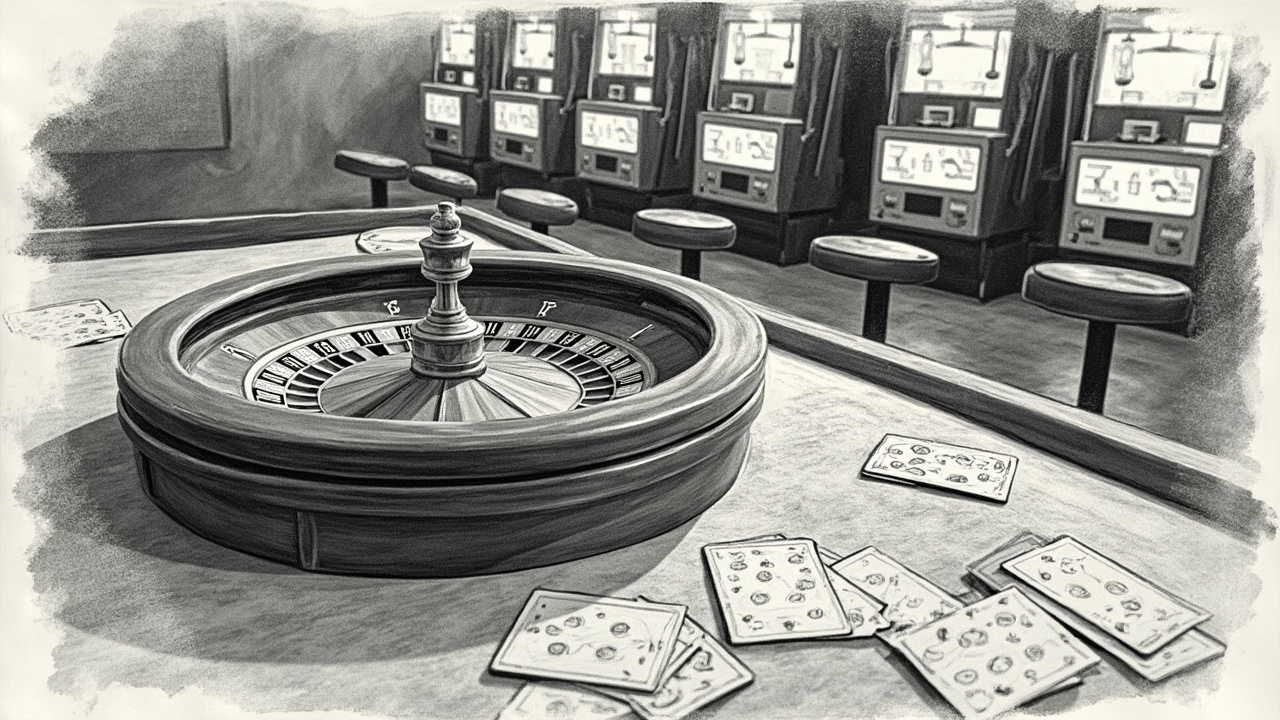
Helping a Mate Keep Gambling Fun and Safe
When a mate starts chasing losses or hiding how long they spend at the tables, it’s time to step in with clear, practical responsible gambling tips for friends. I’ve spent over a decade closing deals across SaaS, RegTech and FinTech, and the same discipline that keeps a sales pipeline healthy applies here: set limits early, track the numbers, and walk away before the habit turns costly. Aussies love a punt, but looking out for each other means knowing when the fun stops and the damage starts. If you’re in Cairns and your mate’s been down at the local club all arvo, a quiet conversation over a cuppa does more than a lecture ever will. Below, I’ll walk through how to spot the warning signs, set firm boundaries, and keep your mate playing within their means.
Spotting the Warning Signs Before They Spiral

The first rule in any responsible gambling tips for friends playbook is noticing when play shifts from casual to compulsive. In my RegTech days, we tracked behavioural anomalies the same way you’d watch a mate’s betting patterns: sudden frequency spikes, chasing losses after a bad session, or borrowing cash to cover a punt. The card game in “The Sting” (1973) helped popularise elaborate con-artist storytelling, and that same slick confidence can mask a growing problem behind a joke or a shrug. If your mate’s dodging calls, lying about how much they’ve spent, or pulling back from weekend footy and family dinners, the signs are already flashing. Real-money platforms in Australia run under strict state-based rules, and none of them are licensed offshore for local play, so the safeguards you rely on come from the operator’s self-exclusion tools and your own honest check-ins. When you notice the pattern, don’t wait for a crisis – bring it up calmly, name what you’ve seen, and keep the focus on their wellbeing rather than the money.
Setting Clear Limits and Keeping the Conversation Honest
Boundaries That Actually Stick
A firm limit only works when it’s agreed upfront and tracked without drama. Sit down together, pick a fixed weekly spend in Australian dollars, and treat it like a budget line item – not a target to hit. I’ve negotiated SaaS contracts where scope creep killed margins, and the same logic applies here: once the cap is set, extra bets are a no-go, full stop. Write the number down, share it with a trusted second person if your mate’s comfortable, and use the operator’s deposit and time-limit tools so the platform enforces what you’ve both agreed. Cashback and loyalty promos can feel like a safety net, but they’re designed to keep players returning, so treat them as entertainment perks rather than a reason to stretch past the limit. If a session runs hot, close it out and step away – the tables will still be there tomorrow, and your mate’s bank balance will thank them.
Talking Without Turning It Into a Lecture
The tone matters as much as the boundary. Drop the “you should” framing and swap it for “how are you tracking with the limit we set?” Keep it casual, like you’re checking in after a long week, not running an audit. I’ve sat through enough FinTech sales calls to know that pressure backfires fast, and the same goes for friends who feel cornered. If they’re defensive, back off and revisit it later over a coffee or a quiet arvo walk. Point them toward practical support when they’re ready – you can read more about responsible gambling support for friends in Australia if you want a clearer picture of what local services offer. The goal isn’t to police their play; it’s to keep the door open so they can admit when it’s getting heavy. No worries if they bristle at first – consistency and patience do the heavy lifting.
Matching the Advice to What Your Mate Actually Needs
Not every friend needs the same intervention, and forcing a one-size approach usually backfires. Some mates just need a gentle reminder to stick to their weekly cap, while others are already juggling multiple accounts and hiding losses from their partner. In real estate, I’ve seen deals stall because the wrong strategy was pushed on the wrong client, and the same judgement call applies here: read the room, match the support to the risk, and don’t overcomplicate a simple boundary. If they’re still playing for fun, a quick check-in and a firm spend limit is plenty. If the pattern’s already messy, help them activate self-exclusion, block deposit top-ups, and book a chat with a local counsellor rather than trying to fix it solo. The right move depends on where they’re at, not on what sounds impressive in theory.

- Pick a quiet moment when neither of you is rushed or distracted.
- Name one specific behaviour you’ve noticed, without blame or exaggeration.
- Agree on a fixed weekly spend in Australian dollars and write it down.
- Help them enable deposit limits and session timers on the platform they use. Responsible Gambling Support For Friends In
- Check in again in a week, keep it casual, and adjust the boundary if needed. https://jackpotjillvipprogram.net/
If your mate’s already past the point of casual control, the clearest move is to help them lock the account, pause deposits, and talk to a professional who deals with this daily. I’ve closed enough B2B deals to know that waiting for the “perfect” moment just lets the problem compound, so act while the conversation is still calm. Responsible gambling tips for friends only work when they’re practical, repeatable, and tied to real limits your mate can actually hold to. Looking out for each other doesn’t mean policing every bet – it means spotting the shift early, setting a firm line, and keeping the friendship intact while the habit stays in check.